Research
Astrocytes at the centre of Alzheimer’s disease
Alzheimer’s disease has traditionally been studied from a neuron-centered perspective. However, growing evidence highlights the critical role of glial cells, particularly astrocytes, in disease onset and progression. Our laboratory aims to uncover the molecular and cellular mechanisms by which human astrocytes contribute to Alzheimer’s disease pathogenesis.
Human astrocytes in Alzheimer’s disease
Astrocytes play essential roles in maintaining brain homeostasis by supporting neuronal metabolism, regulating synaptic communication, and coordinating interactions between neurons and the brain vasculature.
In Alzheimer’s disease, astrocytes undergo profound changes in their morphology, gene expression, metabolism, and function. Our research aims to understand how these changes arise and how they influence neuronal function and Alzheimer’s disease progression.
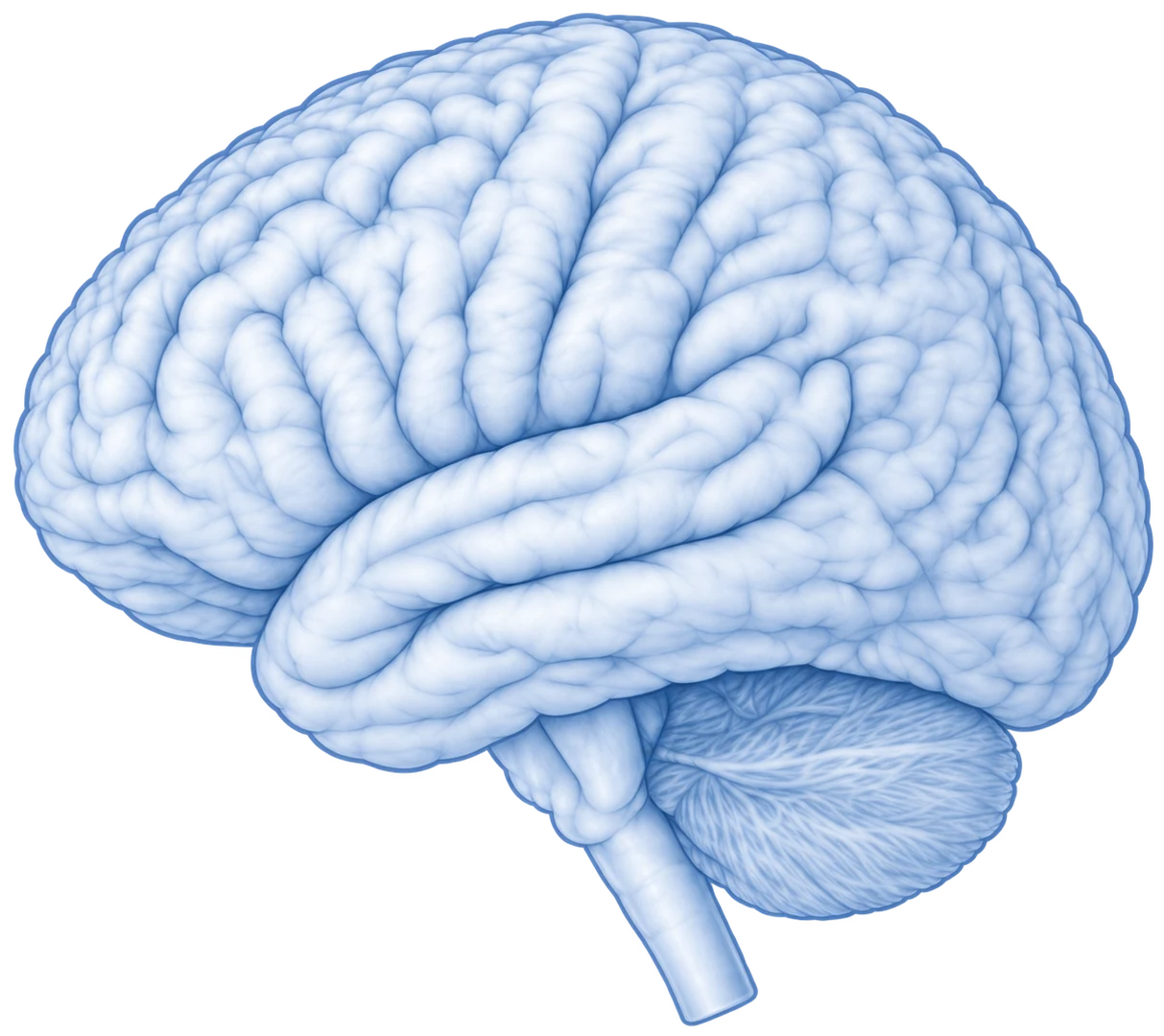
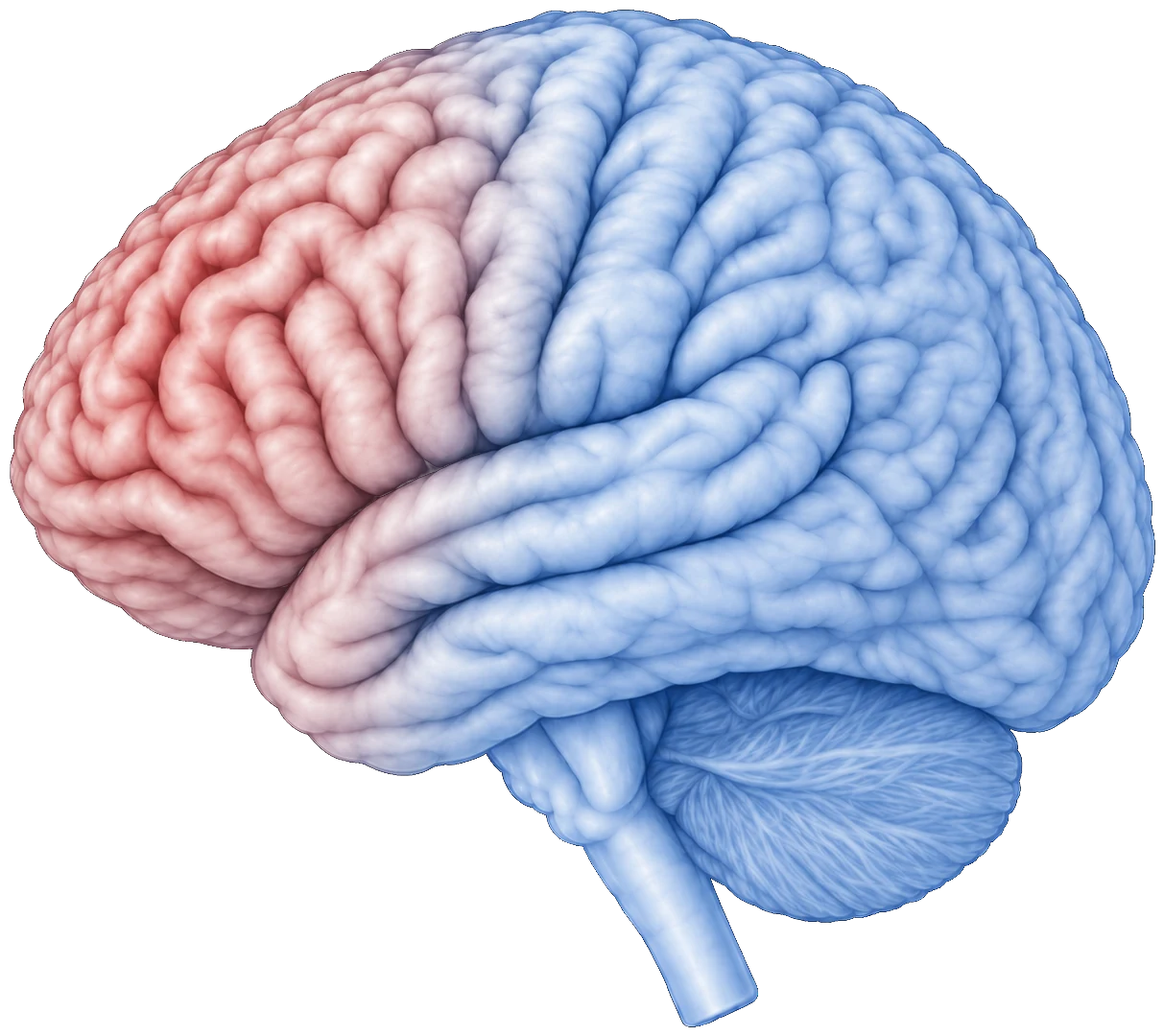
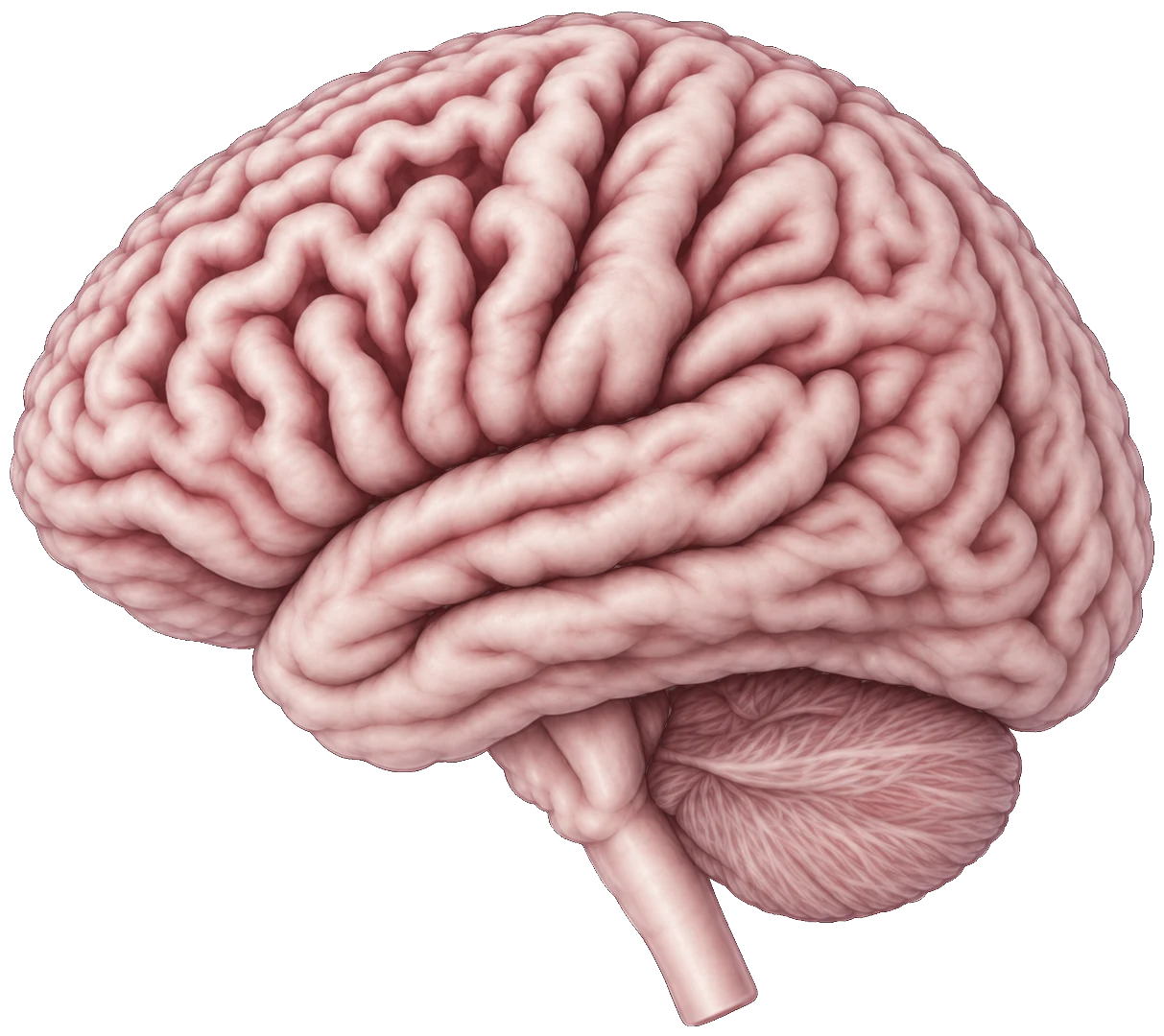


Homeostatic astrocytes — pause the progression or drag the slider to explore it.
Humanized models to study astrocyte function
Understanding the role of human astrocytes in Alzheimer’s disease requires experimental models that capture human-specific cellular features. We combine complementary approaches, including 2D cultures of hiPSC-derived astrocytes, brain organoids, and human–mouse chimeric models, to investigate the mechanisms underlying astrocyte dysfunction in Alzheimer’s disease.
Selected model
Human astrocytes in 2D cultures
hiPSC-derived astrocyte monolayers let us dissect basic cellular mechanisms in a controlled, scalable system — gene expression, metabolism, inflammatory signalling, cellular stress responses and molecular pathways associated with Alzheimer’s disease.

Integrative approaches
We combine our hiPSC-based in vitro models and humanized chimeric mice with cutting-edge technologies.

Gene editing
CRISPR/Cas9 lets us introduce or correct specific genes or AD risk variants directly in human astrocytes, to test their causal role in disease.
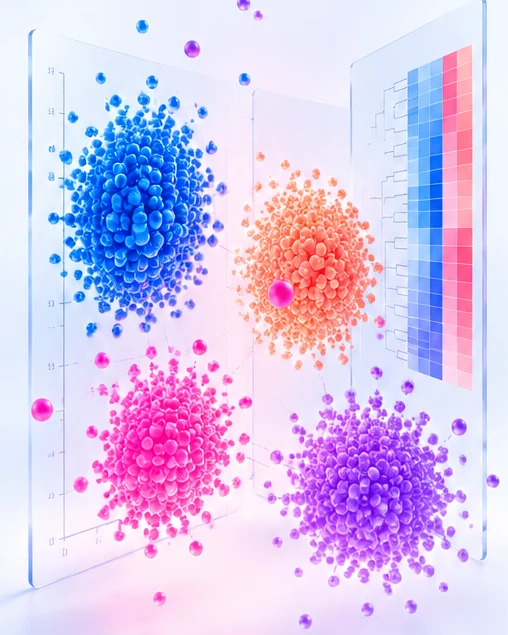
Omics
We use transcriptomics, proteomics and multi-omics profiling maps to understand how astrocytes transition from homeostatic to a disease-associated states.
Functional readouts
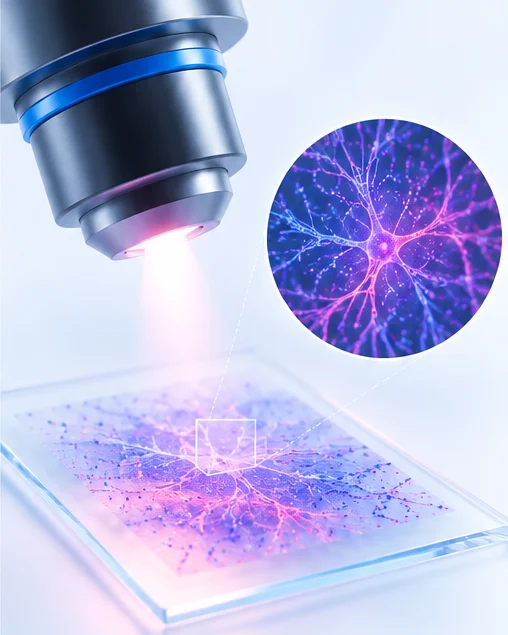
Detailed microscopy and other functional assays track astrocyte morphology and their interactions with neurons and microglia, in vitro and in the living brain.
Targeted therapy
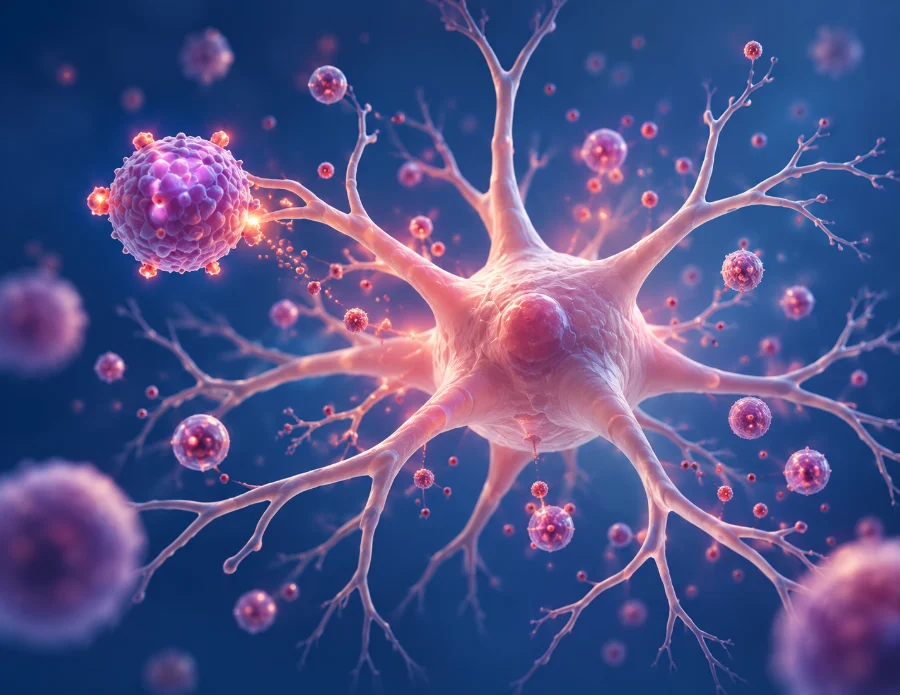
Together, these approaches open the way to dissect astrocyte contribution to AD progression and to astrocyte-targeted therapeutic strategies for Alzheimer’s disease.